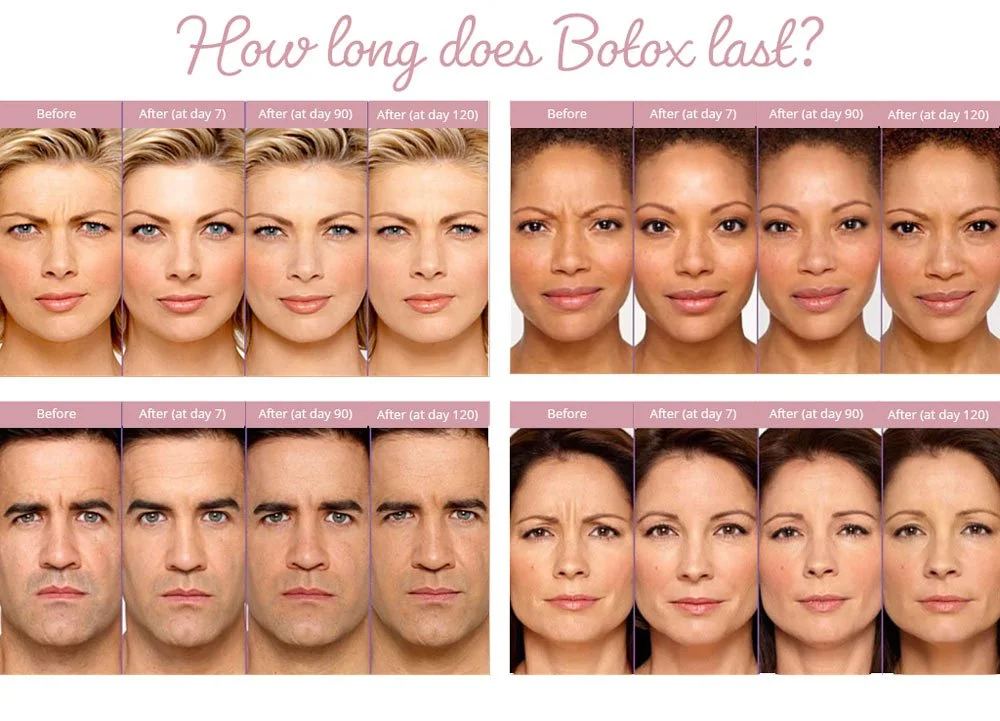

Botox has become a cornerstone of modern aesthetic medicine — offering quick, effective, and minimally invasive results for those seeking smoother, more youthful-looking skin. Yet, one question continues to dominate patient consultations: “How long does Botox last?”
The answer is not universal. While most people enjoy visible results for three to six months, the longevity of Botox varies depending on several key factors. Let’s explore what determines how long your Botox results will actually last — and how you can make them last even longer.
What Exactly Is Botox?
Botox is a neuromodulator derived from botulinum toxin type A, a purified protein that works by temporarily blocking the nerve signals that cause muscles to contract. When those targeted facial muscles are relaxed, the overlying skin smooths out, minimizing wrinkles caused by repetitive expressions such as frowning, squinting, or raising your eyebrows.
In medical aesthetics, Botox is primarily used for:
- Forehead lines
- Frown lines (glabellar or “11” lines)
- Crow’s feet (around the eyes)
- Lip lines and gummy smiles
- Neck bands and jawline contouring
Unlike dermal fillers, Botox does not add volume or reshape facial contours — it simply reduces dynamic muscle activity, resulting in a smoother, more rested appearance.
How Long Does Botox Last on Average?
In general, Botox lasts 3 to 6 months.
You’ll typically notice the first visible effects within 3 to 5 days, with the full smoothing effect becoming apparent around 10 to 14 days post-treatment.
After this period, the results gradually wear off as the body metabolizes the product and muscle activity slowly returns. Wrinkles may reappear, but often look less severe than before your first treatment.
Here’s a breakdown of how long Botox tends to last in common treatment areas:
| Treatment Area | Typical Duration |
|---|---|
| Forehead Lines | 3–4 months |
| Frown Lines | 3–5 months |
| Crow’s Feet | 3–4 months |
| Bunny Lines (on nose) | 2–3 months |
| Lip Flip | 2–3 months |
| Masseter / Jawline | 4–6 months |
| Neck Bands | 4–6 months |
These durations are averages — individual results will vary.
What Affects the Longevity of Botox?
Several biological and external factors can influence how long Botox results last. Understanding these can help you better plan your treatments.
1. Muscle Strength
People with stronger or larger facial muscles, such as men or individuals who make frequent expressive movements, may find that Botox wears off faster.
2. Metabolism
Those with faster metabolisms — for instance, athletes or individuals who exercise vigorously — tend to break down the neurotoxin more quickly.
3. Dosage and Injection Technique
The number of units injected and the precision of the injector both play significant roles. An experienced medical professional tailors the dosage to balance natural movement and longer-lasting effects.
4. Lifestyle Habits
Smoking, stress, lack of hydration, and frequent sun exposure can reduce Botox’s lifespan. Healthy skin and a well-balanced lifestyle generally help maintain results longer.
5. Frequency of Treatment
Consistency matters. Regular Botox treatments can “train” muscles to remain more relaxed, extending the duration of results over time.
How to Make Botox Last Longer
While you can’t completely control how your body processes Botox, certain habits can help prolong your results:
- Follow post-treatment guidelines. Avoid rubbing or massaging the treated area for 24 hours.
- Stay out of heat and sunlight for a day or two after injections.
- Use medical-grade skincare products, including antioxidants and daily SPF.
- Stay hydrated and avoid smoking.
- Book maintenance sessions every 3–4 months to sustain consistent results.
Many dermatologists recommend scheduling your next appointment before the full effect wears off to maintain smoother transitions between treatments.
What Happens When Botox Wears Off?
As Botox wears off, your muscles slowly regain their ability to contract. Wrinkles and lines gradually reappear, but the skin often looks less aged than before your first session.
This is because Botox not only smooths wrinkles but also prevents deeper creases from forming over time. Regular users often notice their skin aging more gracefully, even as the effects fade.
It’s important to note that stopping Botox treatments won’t make your face “worse.” It simply returns to its natural state before you started treatment — sometimes looking slightly smoother due to years of reduced muscle tension.
Is There a Way to Make Botox Permanent?
No — Botox is designed to be temporary and safe. Its reversible nature allows for customization and adjustment over time. However, combining Botox with complementary treatments like dermal fillers, microneedling, or laser therapy can enhance and extend overall facial rejuvenation.
Final Thoughts
So, how long does Botox last? On average, three to six months — but your results depend on multiple factors, including your metabolism, lifestyle, and consistency with treatments.
The key to long-lasting, natural results lies in:
- Choosing a qualified injector
- Maintaining healthy skincare habits
- Scheduling regular follow-up sessions
When performed by an expert, Botox delivers not just smoother skin but a refreshed, confident version of yourself — one that continues to evolve gracefully over time.